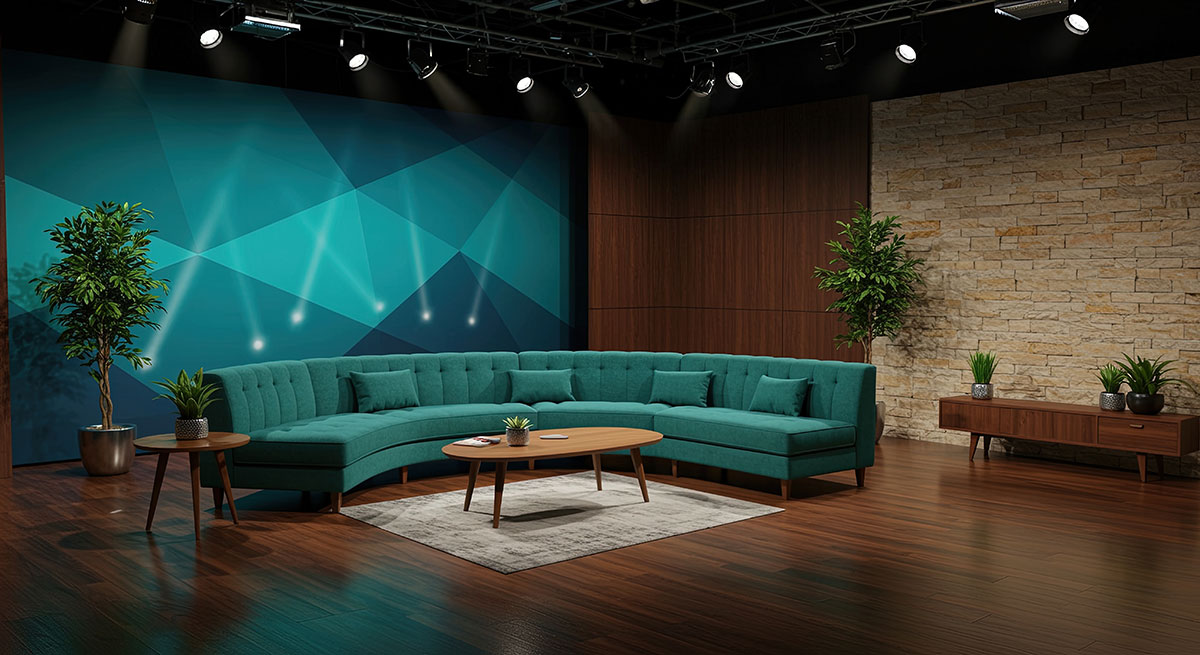
Over the years, I’ve had the incredible opportunity to work behind the scenes on some amazing television projects, from sitcoms like Family Time and Love That Girl to other shows across major networks. While many people see the final product on screen and marvel at the sets, the storytelling, and the overall vibe, there’s a lot that goes on behind the camera to make it all come together. As a production designer, my role is to bring the story to life visually while creating functional spaces that support both the actors and the crew. Today, I want to give you a peek behind the curtain and share some creative insights from the world of TV production design.
Understanding the Story First
Before any furniture is placed or paint is chosen, I immerse myself in the story. Production design isn’t just about making a space look beautiful—it’s about supporting the narrative. Every room, every prop, and every color choice communicates something about the characters and their world. For instance, a living room might reflect a character’s personality, their history, or even their emotional state. Understanding the story is the foundation of all design decisions, and it ensures that the visuals enhance the storytelling rather than distract from it.
Functionality Meets Creativity
One of the biggest challenges of production design is balancing aesthetics with practicality. Sets have to look realistic, but they also need to accommodate cameras, lighting, and actors moving freely. Unlike designing a home or an event space, a set has to function for multiple purposes at once. For example, a kitchen set isn’t just a place for the actors to “cook” on camera—it also has to allow for camera angles, lighting rigs, and crew movement, all while maintaining the illusion of a real home. This is where creativity and problem-solving go hand in hand. Every design choice has to serve both the story and the production logistics.
The Importance of Detail
Details are everything in production design. A book on a shelf, a picture on the wall, or even the placement of a coffee mug can tell the audience something about the characters and their lives. I love curating every little element to add depth and authenticity to the set. This attention to detail is what makes a set feel real and immersive. It’s like decorating a home, but with the added twist that every item is chosen not just for beauty, but for narrative significance.
Color and Mood
Color is a powerful tool in production design. It sets the mood, guides the audience’s emotions, and differentiates one scene from another. When designing a set, I carefully select color palettes that reflect the tone of the scene and the personalities of the characters. Warm colors can make a room feel cozy and inviting, while cooler tones can create tension or a sense of calm. Lighting and color work together to create a visual story that supports the actors and the narrative.
Collaboration is Key
Television production is a team sport. As a production designer, I work closely with directors, cinematographers, costume designers, and prop masters to ensure that every visual element aligns. Communication is critical because even small changes in set design can impact camera angles, lighting setups, or actor performance. Collaboration ensures that the final product is cohesive and polished. Over time, I’ve learned that being open to feedback and flexible in problem-solving is essential to success in this fast-paced environment.
Designing for Repetition
Unlike a one-time event, TV sets are used over multiple episodes, sometimes for years. This means the design has to be durable, adaptable, and consistent. Furniture and props need to withstand repeated use, and layouts often need to be slightly adjusted for different scenes or camera angles. This long-term perspective is unique to production design and adds another layer of complexity to the process. It’s not just about creating a beautiful moment—it’s about sustaining that beauty and functionality over time.
Learning from Every Project
One of the things I love about production design is that every project teaches me something new. Whether it’s experimenting with lighting, testing new materials, or figuring out how to create a room that feels lived-in yet cinematic, each show is an opportunity to grow. Challenges are inevitable, from budget constraints to tight schedules, but overcoming them pushes you to be more creative and resourceful. The satisfaction of seeing the finished product on screen, knowing the hard work and thought behind every detail, is unparalleled.
Bringing It Back to Everyday Life
Working in television production design has taught me lessons that extend beyond the set. Attention to detail, understanding the story behind a space, and balancing aesthetics with functionality are principles I apply in my interior design work, event planning, and even in how I create memorable experiences at home. Design isn’t just about decoration—it’s about creating environments that feel intentional, meaningful, and immersive, whether on screen or in real life.
Behind every scene you see on TV, there’s a team working tirelessly to make the world feel real, dynamic, and compelling. Production design is about more than beautiful sets—it’s about storytelling, problem-solving, and collaboration. Being a part of that process has been one of the most rewarding experiences of my career, and it continues to inspire how I approach design in every aspect of my life.
For anyone curious about TV production, remember this: every prop, color choice, and layout decision has purpose. When you pay attention to those details, you start to see the artistry behind the scenes and appreciate the work that brings stories to life.